
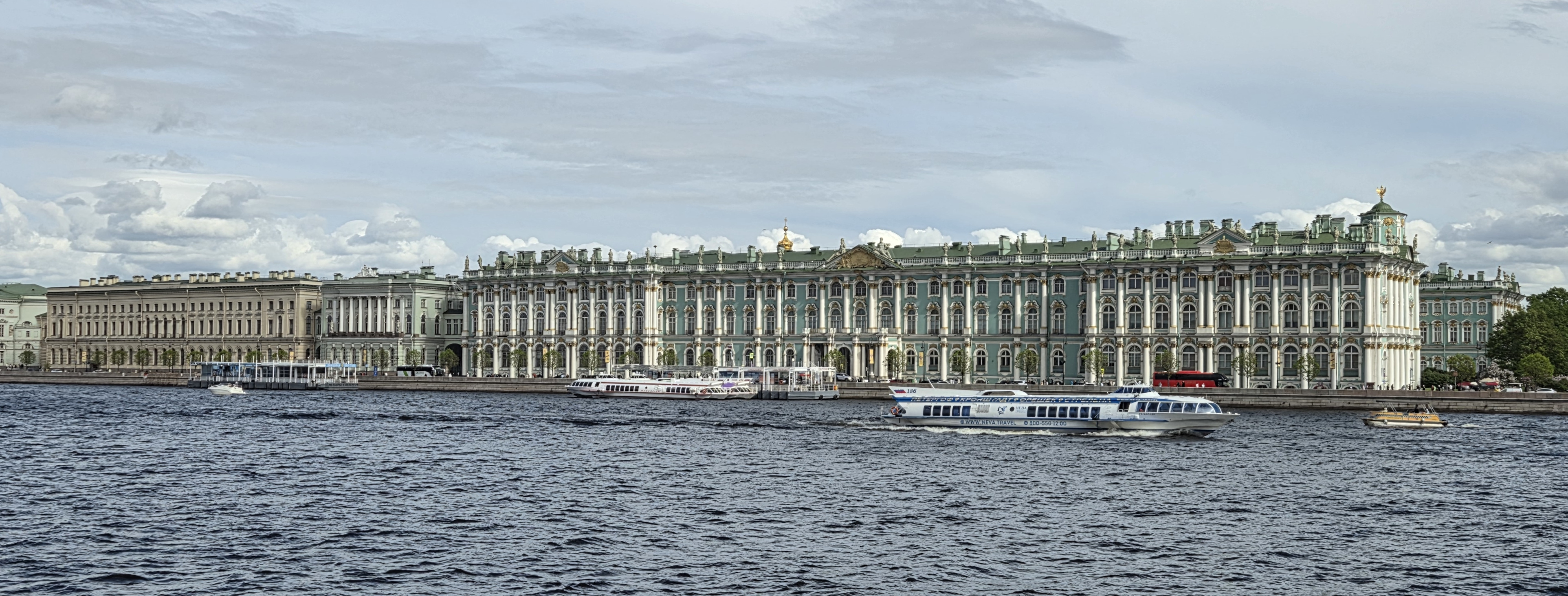
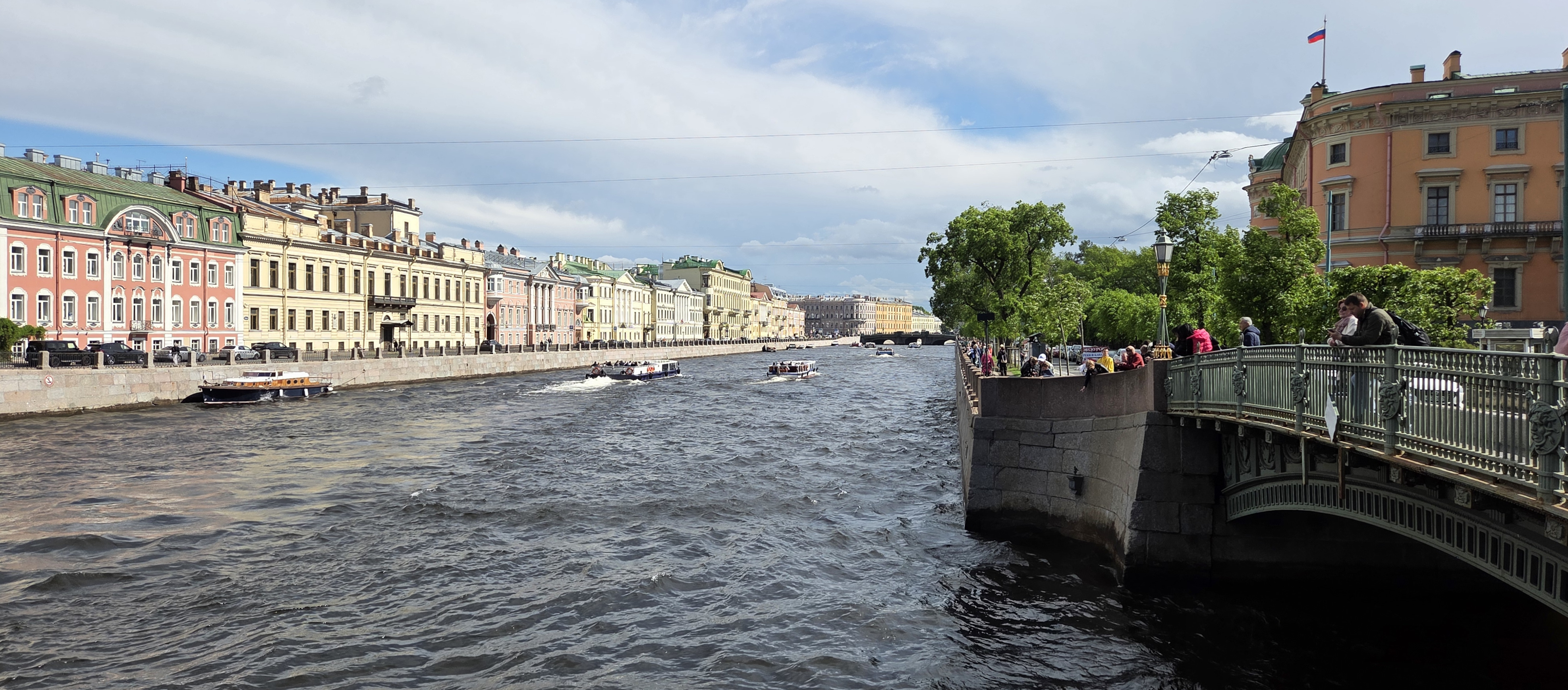
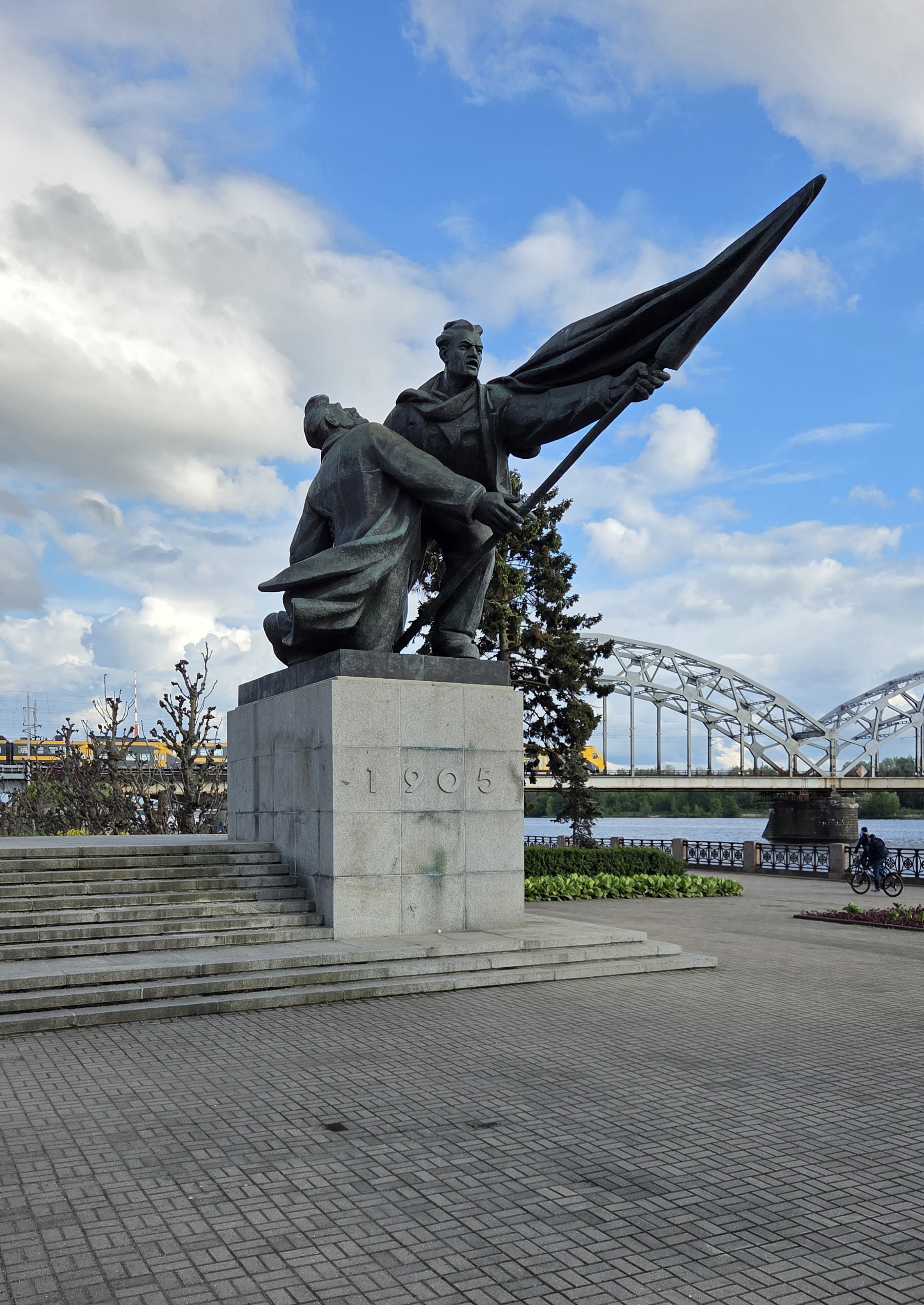

Tim Hardin, * December 23, 1941, † December 29, 1980


Play
Pause
00:00
Kommentare deaktiviert für Tim Hardin, * December 23, 1941, † December 29, 1980

Weil wir wissen, was auf dem Spiel steht


From the Bundeswehr questionnaire 18-year-old German men are required to fill out indicating their qualifications for and interest in induction into the military. Benedikt Bierhoff, Am Sportplatz 9. This is the organization protecting western European civilization from the ravages of the savage barbarians to the east.

The questionnaire .pdf, which I downloaded from https://www.bundeswehr.de/resource/​blob/​6054406/​3b369d8f38026ea2404454a768c95ffd/​fragebogen-data.pdf, is titled „PowerPoint-Präsentation“. No, I am not kidding. Adobe, for its part, informs me „This appears to be a long document“ and invites me to „Save time by reading a summary using AI Assistant“. What would I do with this saved time, I wonder? 🤔

Kommentare deaktiviert für Weil wir wissen, was auf dem Spiel steht

On 7 December 1988, in New York, Gorbachev addressed the General Assembly of the United Nations. He announced the withdrawal of half a million Soviet troops from the countries of Eastern Europe. The Soviet Union also released almost all of its political prisoners. The main sensation, however, was the speech’s ideological message. Gorbachev proposed a new world order based not on ideology, but on the „all-human interests“ of cooperation and integration. This was a rejection of the Cold War order based on antagonism between the USSR and the USA and their respective allies. It was also a rejection of the Marxist-Leninist world view, based on „class struggle“ and the inevitability of communist triumph. The General Secretary declared a principle of renunciation of any form of violence, any use of force in international affairs. Chernyaev, the main drafter of Gorbachev’s UN address, considered it represented not only an ideological revolution, but also a possible farewell „to the status of a world global superpower.“ In essence, the leader of the Soviet superpower proposed to the Western powers an end to the Cold War; the Soviet Union was ready to join all international organizations as a partner.

The address stemmed from what Gorbachev had been calling since 1986 a „new political thinking.“ It was a mix of his neo-Leninist hubris, breathtaking idealism, and abhorrence of nuclear confrontation. Against the background of Stalin’s cynical Realpolitik, Khrushchev’s brinkmanship, and Brezhnev’s peace-through-strength détente, Gorbachev’s project came as a complete breakthrough. It was not a clever camouflage for the start of Soviet geopolitical retrenchment and retreat, as some Western critics asserted. It was a deliberate choice of a new vision to replace the ideology of Marxism-Leninism and Soviet geopolitical power. As such, it was probably the most ambitious example of ideological thinking in foreign affairs since Woodrow Wilson had declared his Fourteen Points at the end of World War I. It was this vision that made Gorbachev, and not Ronald Reagan or other Western leaders, a truly key actor in ending the Cold War.

—Vladislav M. Zubok, Collapse: The Fall of the Soviet Union, (Yale University Press, 2022), 43-44.

Zubok is not kind to Gorbachev, ascribing the Soviet Union’s collapse to financial catastrophe caused by Gorbachev’s hubris, idealism, gross miscalculations. When I posted a video of Gorbachev’s December 25, 1991 resignation speech on a Russian subreddit people there echoed Zubok’s book reviewers on Goodreads.com with repeated versions of „fuck Gorbachev!“ This makes Zubok’s couple paragraphs above all the more striking, and increases my own interest in researching the begged question „what if?“ 🤔

Kommentare deaktiviert für

Vorbilder


Is it possible for someone to review Bundeswehr, US military, and Russian military recruiting collateral, and still take the Bundeswehr halfway seriously? How? 🤔 I mean this in all seriousness: in Russia I regularly photograph recruiting posters. The difference between the professionalism displayed in the Russian material vs. the German images is similar to the difference between the professionalism displayed by US high tech workers vs. German high tech workers. This is Steinmeier’s Weihnachtsrede. It’s whistling past the graveyard, and whistling badly.

Kommentare deaktiviert für Vorbilder

December 25, 1991

Kommentare deaktiviert für December 25, 1991

Tony Benn on democracy

This morning I am musing over Tony Benn’s five questions to people in power. „If you can’t get rid of the people who govern you, you don’t live in a democratic system.“

I am finding I can’t even talk about the people who govern me. Avenues of political debate are closed off from both above and below, with the EU seizing bank accounts of people and organizations whose political speech conflicts with EU-permitted paradigms. German police arrest people for speaking „From the river to the sea“. UK police arrest people for speaking „I support Palestine Action“. For coworkers politics are distasteful subjects for discussion, and at any rate the problem is clearly AfD and Trump. There is no discussion of Ukraine, of Gaza, of Merz. These topics are literally beyond discussion. Several times I’ve encountered very explicit incredulity when I’ve shown an interest in discussing the causes behind and the possibilities to resolve the war in Ukraine. To be considered are only the anodyne: what television shows do you enjoy streaming?

Kommentare deaktiviert für Tony Benn on democracy

Earthrise. December 24, 1968


Play
Pause
00:00

Kommentare deaktiviert für Earthrise. December 24, 1968

The problem, contrary to customary Western claims, lay not in the „crushing“ defense outlays. The Soviet military, the military-industrial complex (MIC), and R&D were remarkably cost-effective; according to the best available estimates, they never exceeded 15 percent of GDP. A leading Western expert on the Soviet economy admitted, long after the Soviet collapse, that nobody in the leadership „saw the Soviet Union being crushed under an unbearable military burden.“ In economic terms, this expert acknowledged, „the Soviet Union had a revealed comparative advantage in military activities.“ It was not the military burden, significant yet small for a superpower, that endangered the Soviet economy and state.

The problem was the growing Soviet engagement with the global economy and its own finances.

—Vladislav M. Zubok, Collapse: The Fall of the Soviet Union, (Yale University Press, 2022), 17.

Kommentare deaktiviert für

Andropov

The idea of renovating the Soviet Union originated not with Mikhail Gorbachev, but with his mentor Yuri Andropov. For years after the Soviet collapse, many said wistfully: „If only Andropov had lived longer.“ They meant that under his leadership the country could have been reformed yet be held together. In fact, Andropov made the idea of renovation possible and left his heir apparent Gorbachev with the task of promoting it.

—Vladislav M. Zubok, Collapse: The Fall of the Soviet Union, (Yale University Press, 2022), 13.

Kommentare deaktiviert für Andropov

Purpose, demons, the purpose of demons, (demons with purpose? 🤔)

The purpose of this book is neither to demonise Putin – he is more than capable of doing that himself – nor to absolve him of his crimes, but to explore his personality, to understand what motivates him and how he has become the leader that he is.

—Philip Short, Putin: His Life and Times, (Great Britain: Vintage, 2023), 16.

Would a British biographer write a sentence like this about any Western head of state? Reminds me of telling an Estonian friend that in the British history of the Baltics I’d just finished the author was critical of Mannerheim seemingly because he was insufficiently willing for Finns to die for the British queen. My acquaintance smiled and asked me if I’d read histories of the Baltics written by people from the Baltics.

Kommentare deaktiviert für Purpose, demons, the purpose of demons, (demons with purpose? 🤔)