Ukrainian president Volodymyr Zelensky has been criticized for recent moves to centralize power. But these developments are less about the actions of a single leader and more the result of decades of state weakness following the dissolution of the USSR.
Volodymyr Zelensky’s failed attempt to subordinate Ukraine’s anti-corruption organs to his prosecutor general’s office has drawn widespread Western criticism. Just weeks earlier, accusations of authoritarian consolidation, opposition attacks, and crony cover-ups would hardly surface in Western discourse beyond stigmatized circles of “Russian propagandists,” “tankies,” or MAGA supporters.
Now many influential international publications are interpreting the crackdown as an attempt to disrupt investigations into Zelensky’s inner circle. The EU unprecedentedly even cut its wartime financial aid. In the most significant protest since the imposition of martial law in 2022, thousands of Ukrainians, primarily young people, demonstrated against the new law, which could remove the independence of two key anti-corruption bodies.
The July escalation included the persecution of prominent “anti-corruption civil society” figures and even the detention of anti-corruption detectives as alleged Russian collaborators. Legislation was rapidly passed removing the independence of the anti-corruption organs, which were then withdrawn equally rapidly the following week under both EU and public pressure.
However, contrary to the mainstream narrative, this represents neither a clash between “Zelensky’s authoritarianism” and “Ukrainian robust civil society” nor any proof of Ukrainian democracy’s “resilience.”
The episode exposed three fundamental problems with the dominant Western interpretation of the Russia-Ukraine war. First, it shows just how selective the supposed concern over authoritarian and repressive trends in Ukrainian politics really is, with the latest developments troubling neither Ukrainian “civil society” nor Western press until the specific interests of the Ukrainian middle class are threatened.
Second, the anti-corruption institutions themselves face widespread distrust for ineffectiveness and systematic corruption, making this conflict far more complex than neutral investigators versus corrupt officials.
Third, the struggle reflects broader post-Soviet class conflicts rather than simple democratic accountability. Zelensky’s retreat signals not democratic strength but Ukrainian government weakness, which this conflict only exacerbated precisely when the deteriorating situation on the front lines and declining US support are pushing the Ukrainian government to difficult and unpopular decisions.
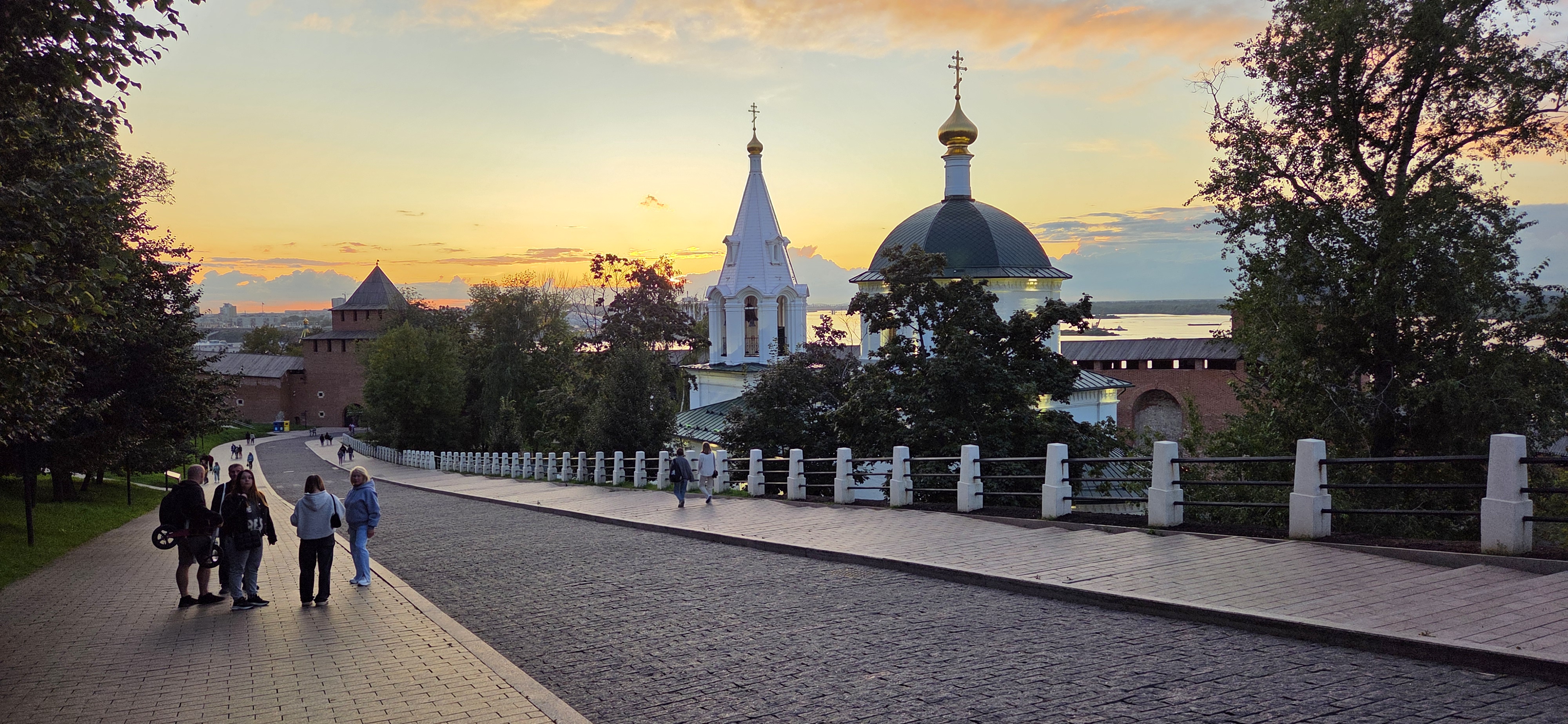
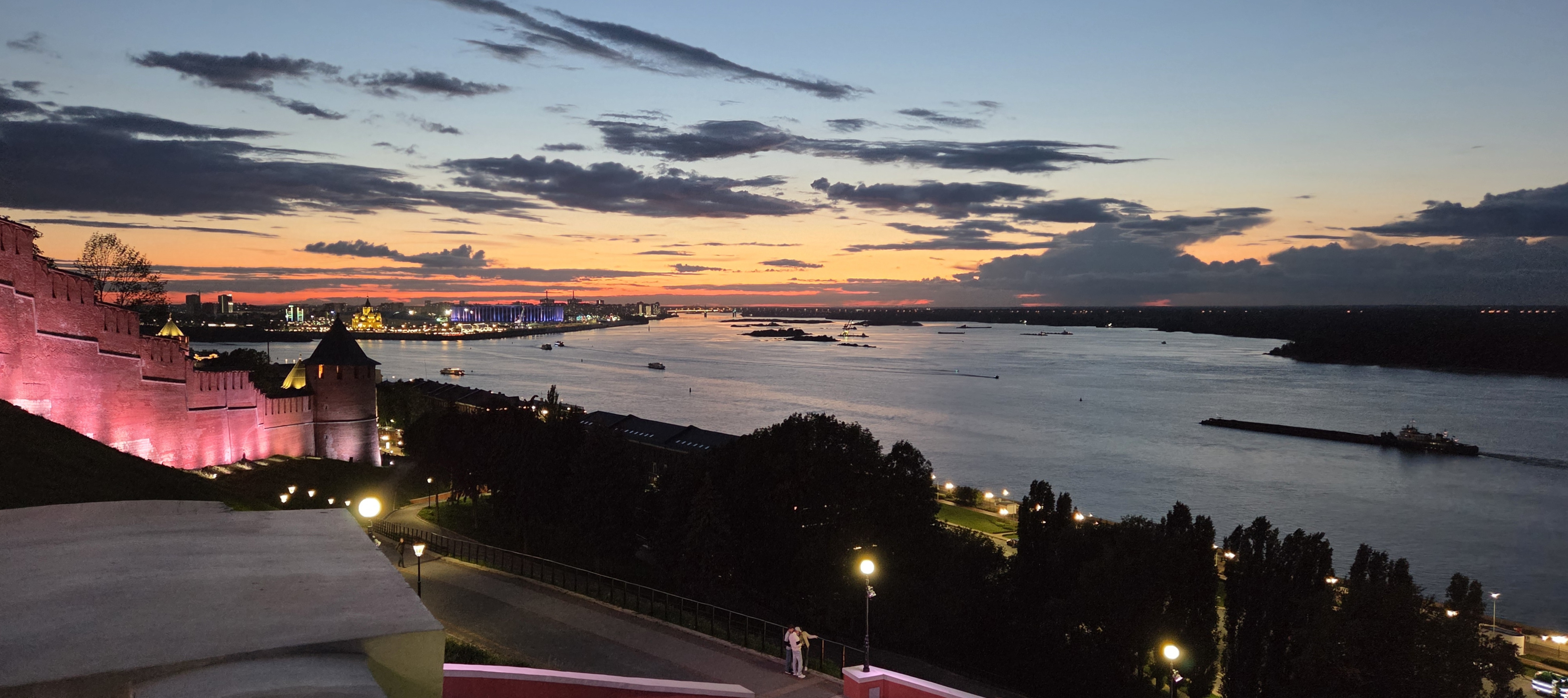
Lots of happy people out enjoying a beautiful summer evening, as I experienced in Moscow. I was here in 2018 and had planned to return in 2020, but there was Covid and then the Special Operation. Feels good to be here again.
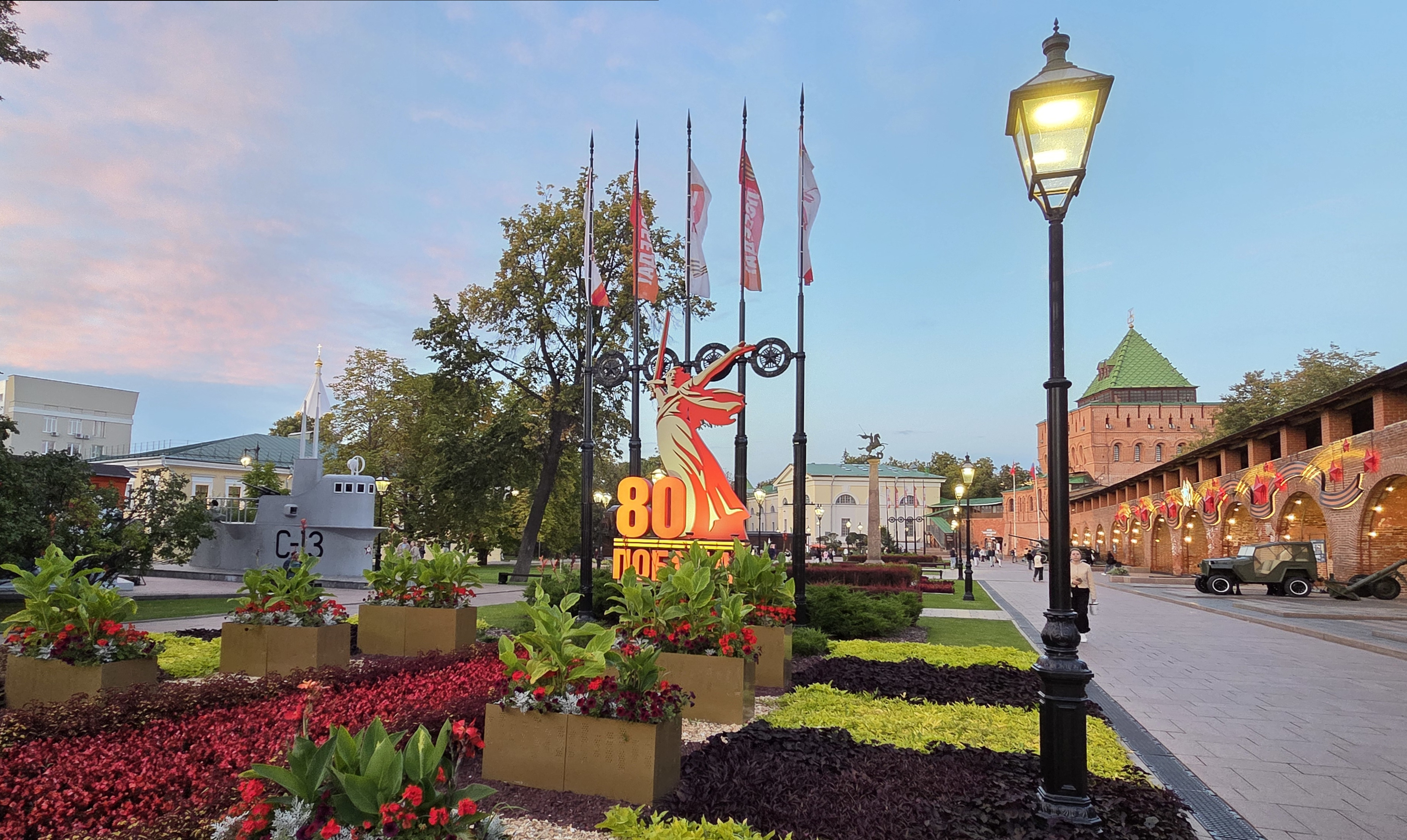
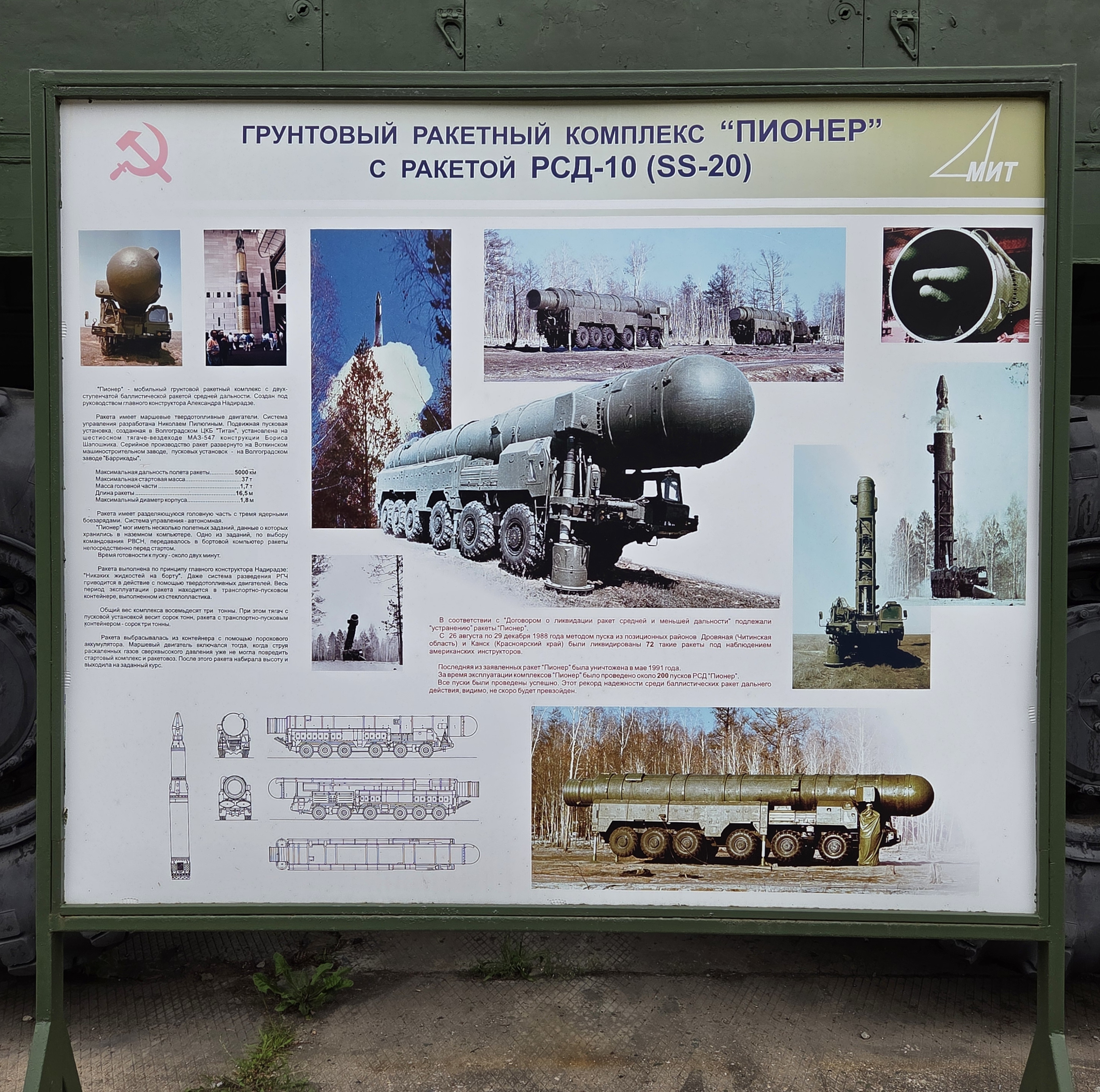
The C-13 was the submarine which sank the Wilhelm Gustloff. In 2018 it struck me as just bizarre to find the conning tower displayed here, and I came back partly to see this array of exhibits again. Reminds me of the Enola Gay at the Smithsonian Institute, or trying to explain to an ex-girlfriend why I wasn’t excited about visiting the FBI museum with her and her family.
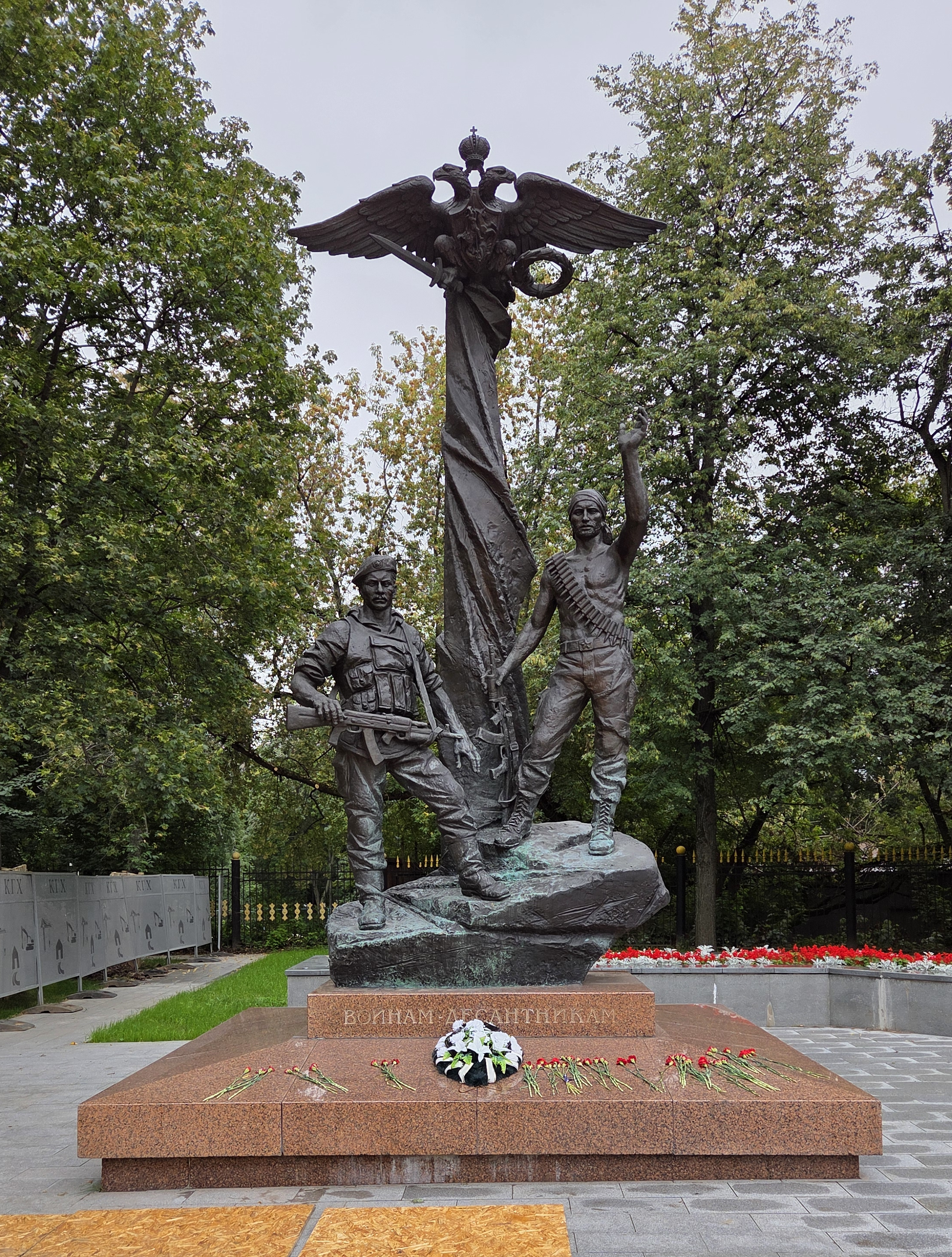
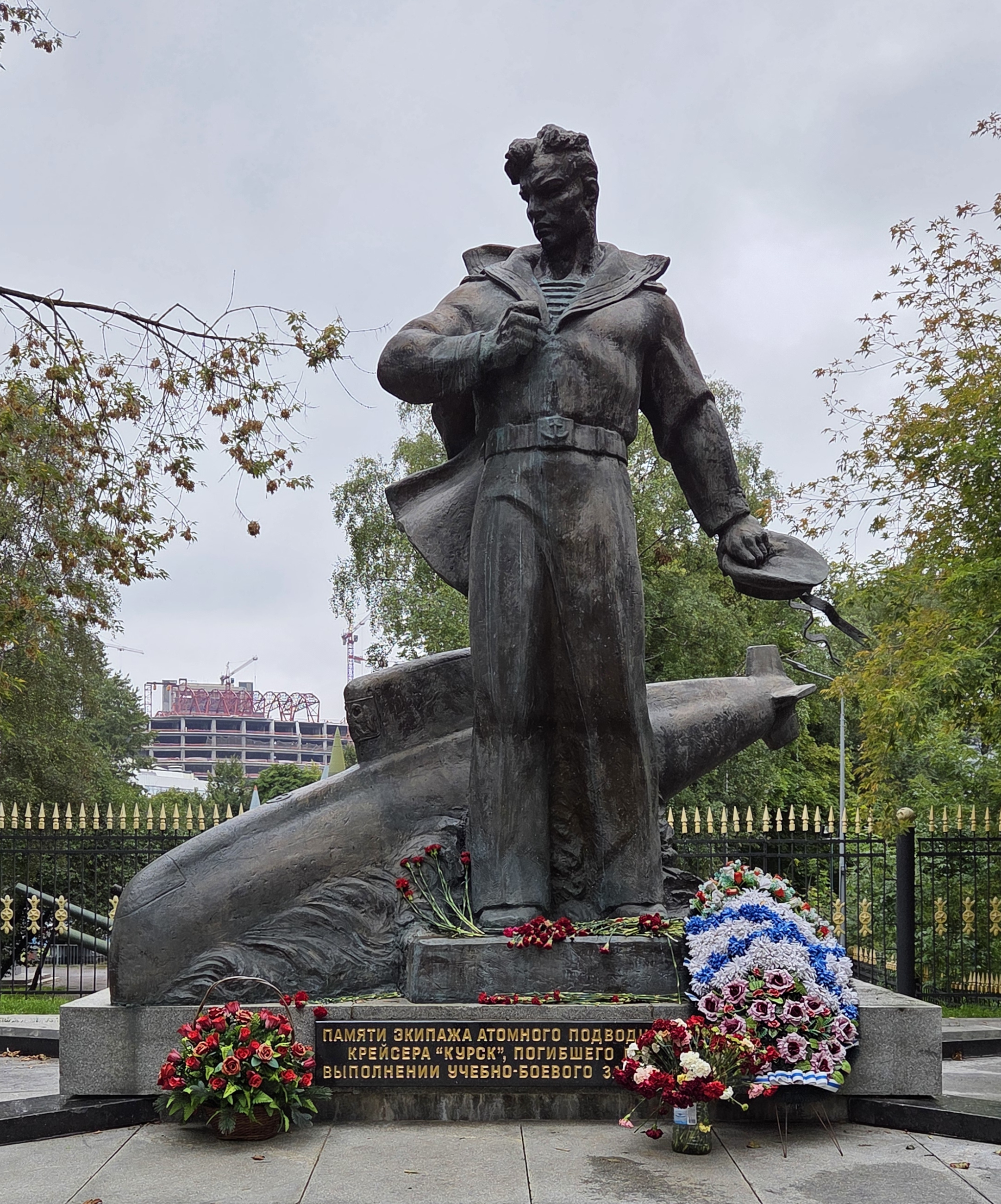
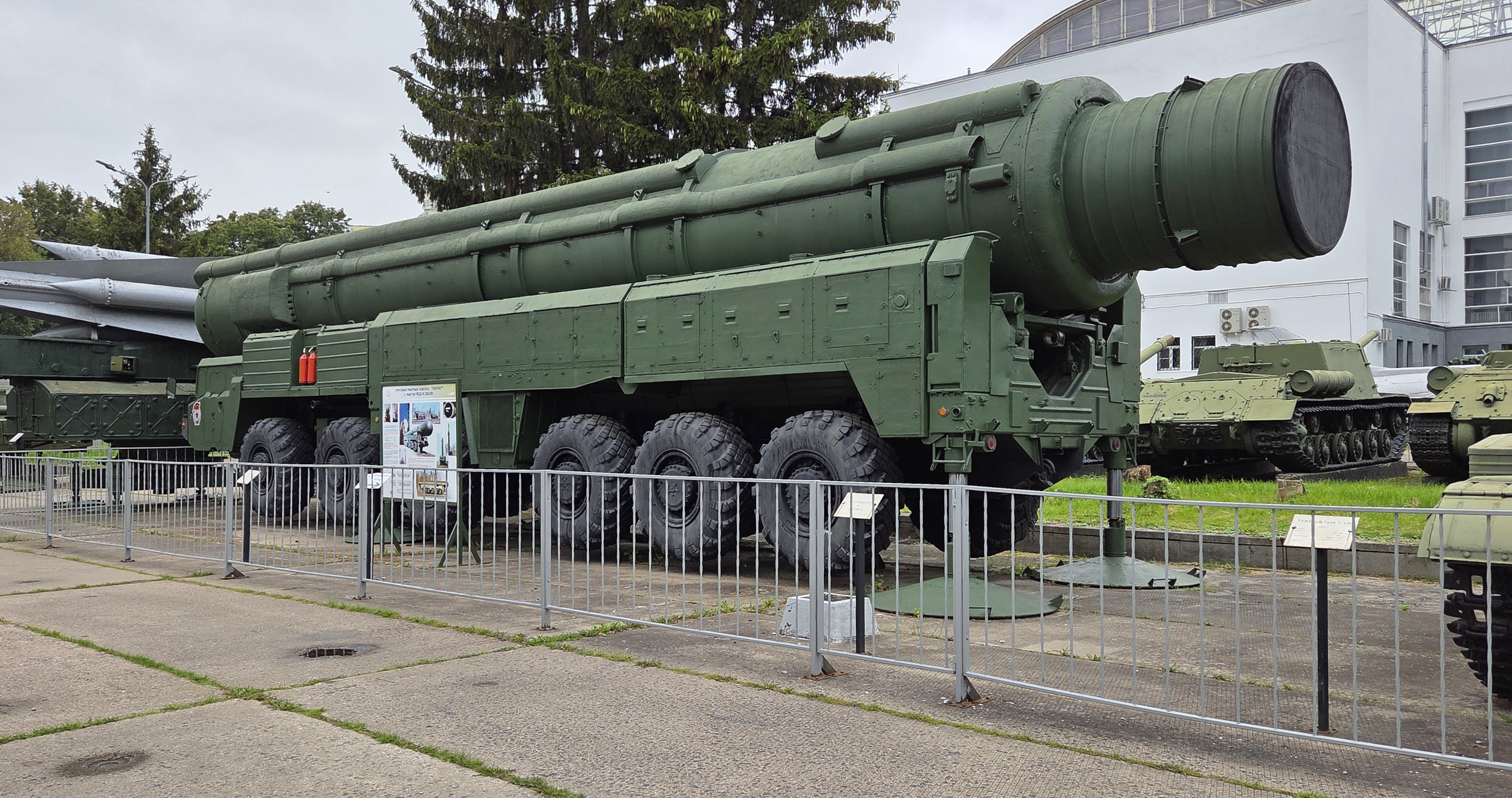



Lenin looks as if he’s been shoved into a corner behind the information booth, next to the metro ticket dispensers.
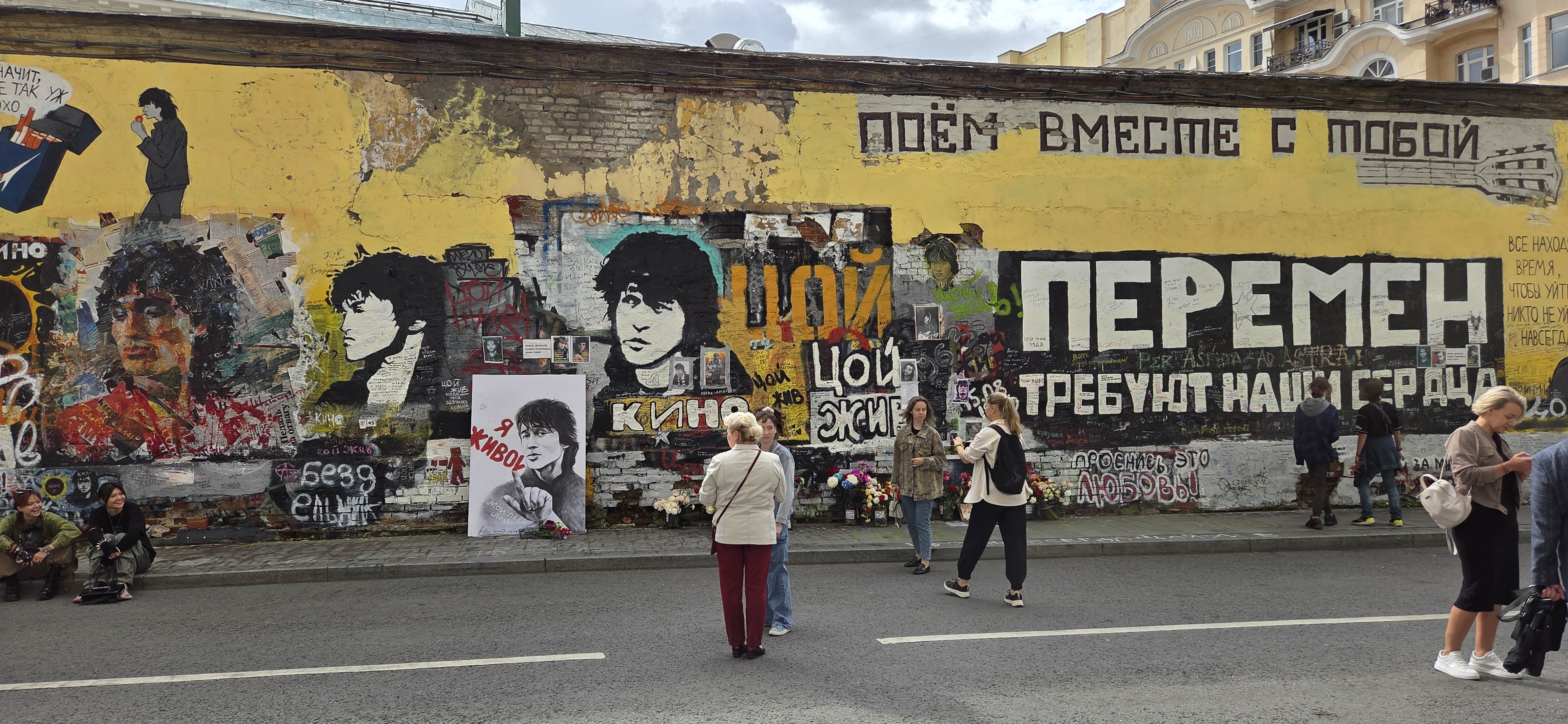
Quite a bit larger, less verbose than the memorial in Мінск, very organic and so less polished than the one at his crash site. Tsoi obviously retains a strong connection in people’s memory and imagination. Something that’s so interesting is as with the John Lennon Wall in Prague there are people looking to Tsoi as an icon of their beliefs, though he died before they were born. The largest word here, Перемен, „change“ was the title of one of Кино’s very popular songs right at the end of the USSR. I think one facet of what people are looking to here is the USSR that might have been with Gorbachev, like some people look at the DDR that might have been.
Alexander Dugin argues that modern Western civilization is guided by the hostile intellects of fallen angels, manifesting as ultraliberal ideology and moral decay, a reality fully comprehensible only through the Christian worldview.