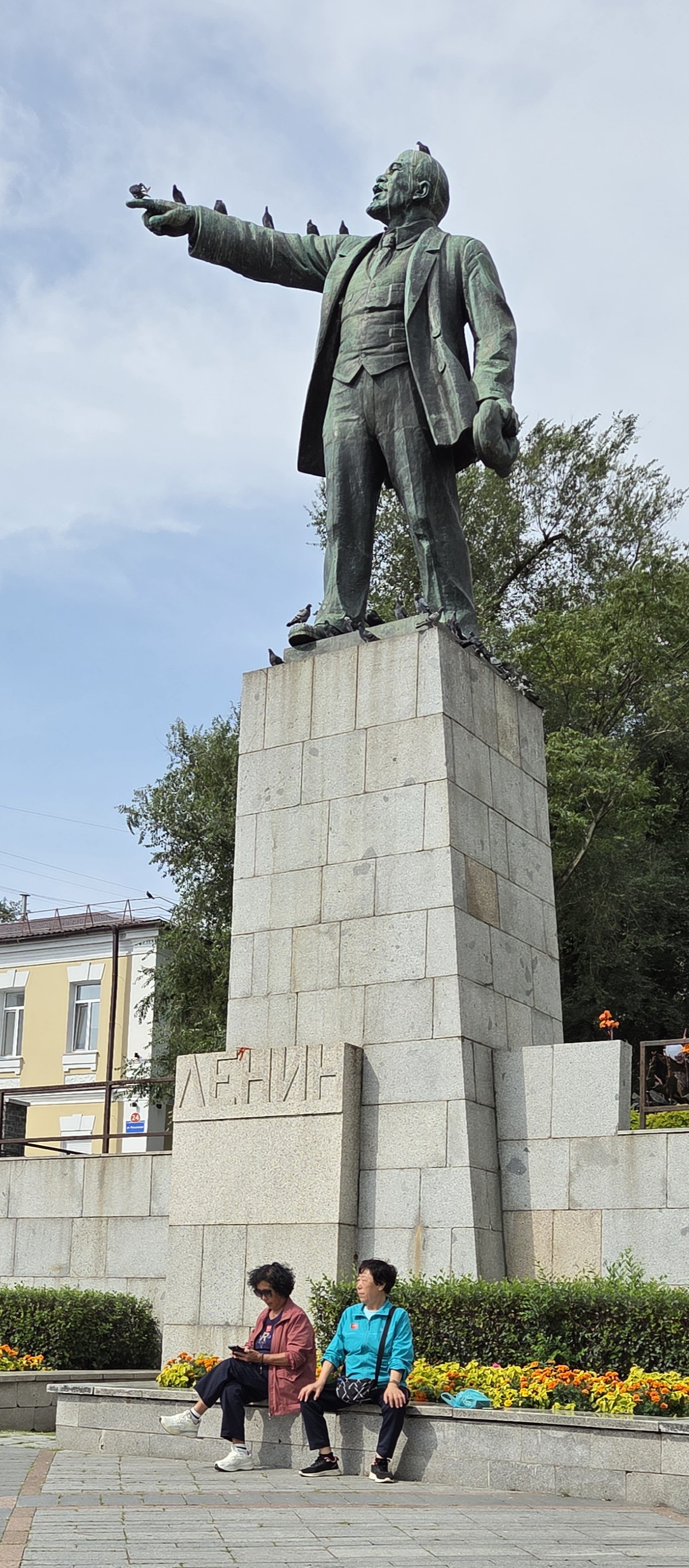
Bol’shaya Pokrovskaya Street, Nizhny Novgorod
Andrei Sakharov Monument, Nizhny Novgorod


Казань

Lenin House, Kazan. Lenin lived here with his family in 1888 after returning from exile for participating in student anti-government activity.


In an Irish pub in Kazan a song by the Cranberries played and I was transported back to San Francisco years ago, where I regularly played the Cranberries for a dear friend from Ohio. I repeatedly have this experience of listening to western music in Russia while knowing that American friends who have traveled little outside the lower 48 fear the brutish Russian Other bent on conquest of refined and wonderful western Europe.

sine qua non
First, an economy is capitalist if its stability – its current reproduction – depends on the successful open-ended accumulation of privately-owned capital for investment in continued open-ended private capital accumulation. Second, a society is capitalist to the extent that its economy is – predominantly – capitalist; if it is, its stability as a society depends on the stability of its – capitalist – economy. Third, from this it follows that in a capitalist society the well-being of private capital – in other words, its continued open-ended accumulation – is a condition of the well-being of that society, and not vice versa. Or, put otherwise, the well-being of a society that has turned its economy over to capitalism is contingent on the well-being of its capitalist economy – on that economy yielding enough profit to make capital owners continue investing in it. Or, moving from a functionalist to a structuralist language, the well-being of the capital-owning class in a capitalist political economy is a – necessary but not necessarily sufficient – condition of the well-being of the capital- operating, or working, class, again not vice versa.
Ω Ω Ω
The upshot is that a capitalist economy, indeed political economy, is a battlefield rather than a court of justice or, for that matter, a self-governing and self-optimizing machine requiring, if at all, occasional expert programming. There is in real life no ideal point dividing between capital and labor the proceeds of a capitalist economy …
This seems on the one hand such a simple insight, but in the couple days since I read it it’s come up in my mind again and again that throughout my life in the US everyone around me very clearly lives with this assumption backwards. People complain about corporate profits at the expense of social well-being with at least the tone of, and often the literal wording „don’t they understand!“, supposing corporate officers must not realize the damage they do, that somehow people „should“ take precedence over profits. Such naïveté is clearly and consistently deadly.
In dubiis
I
Es dringt kein Laut bis her zu mir
von der Nationen wildem Streite,
ich stehe ja auf keiner Seite;
denn Recht ist weder dort noch hier.Und weil ich nie Horaz vergaß
bleib gut ich aller Welt und halte
mich unverbrüchlich an die alte
aurea mediocritas.II
Der erscheint mir als der Größte,
der zu keiner Fahne schwört,
und, weil er vom Teil sich löste,
nun der ganzen Welt gehört.Ist sein Heim die Welt; es misst ihm
doch nicht klein der Heimat Hort;
denn das Vaterland, es ist ihm
dann sein Haus im Heimatsort.—Rainer Maria Rilke
I’ve been thinking about this quite a bit the last couple weeks.
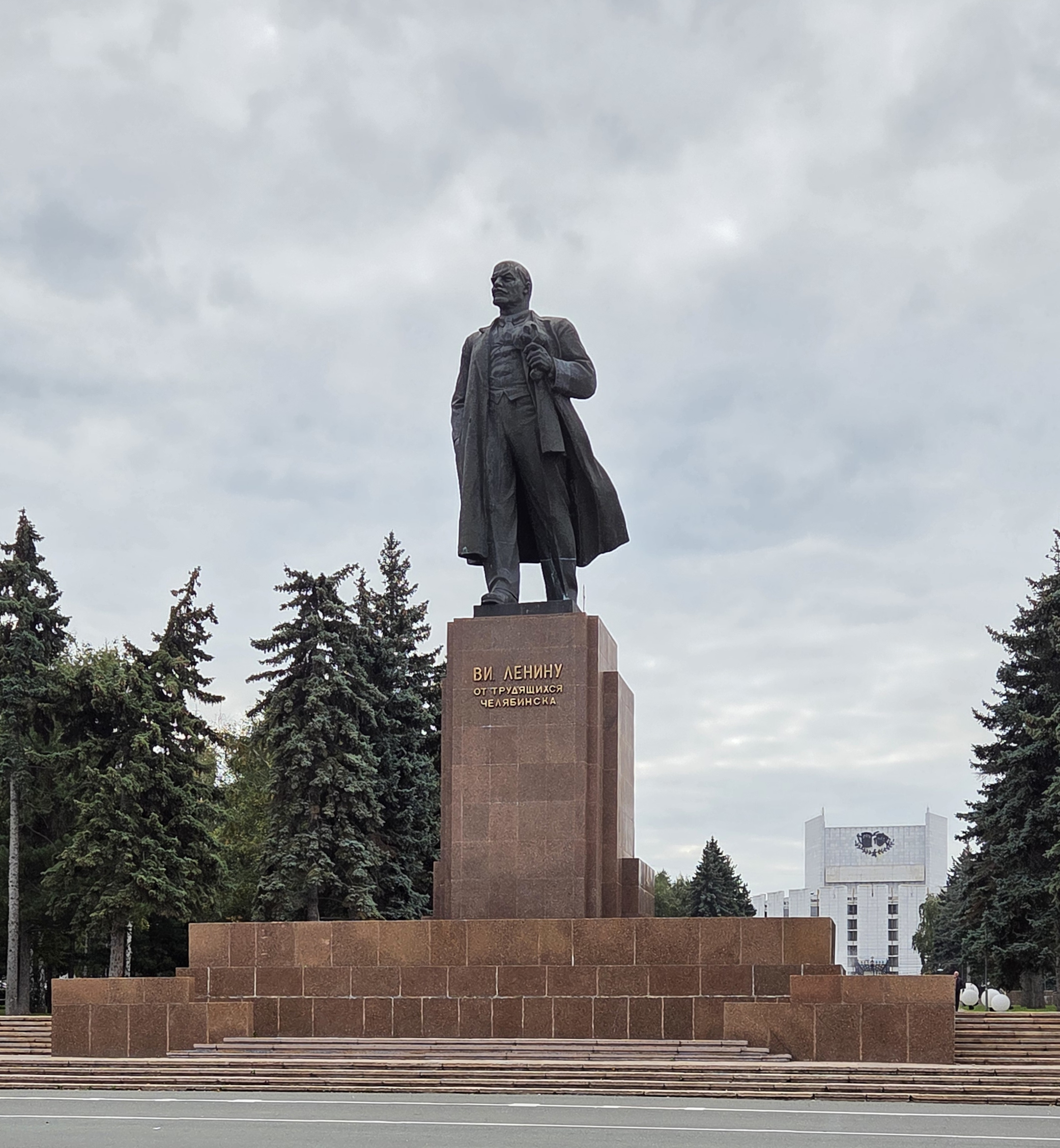
Челябинск
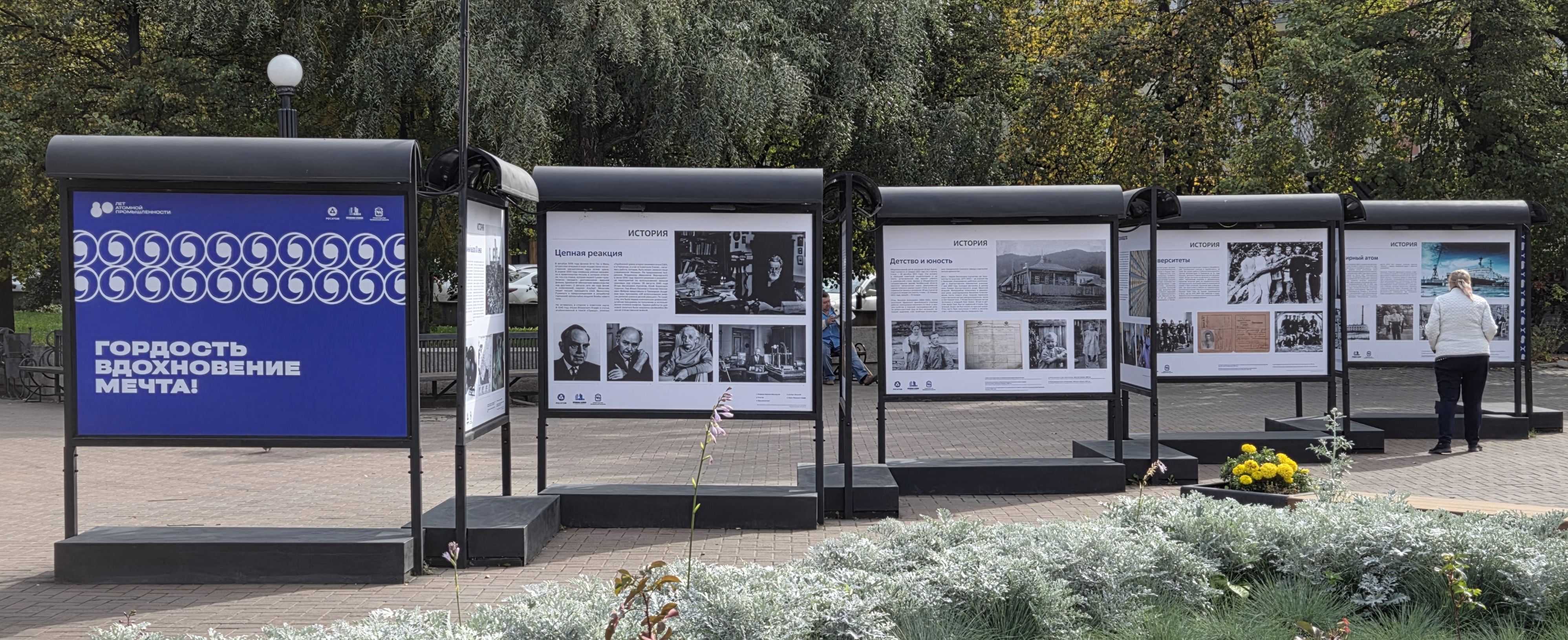
Display celebrating 80 years of the Soviet nuclear industry.
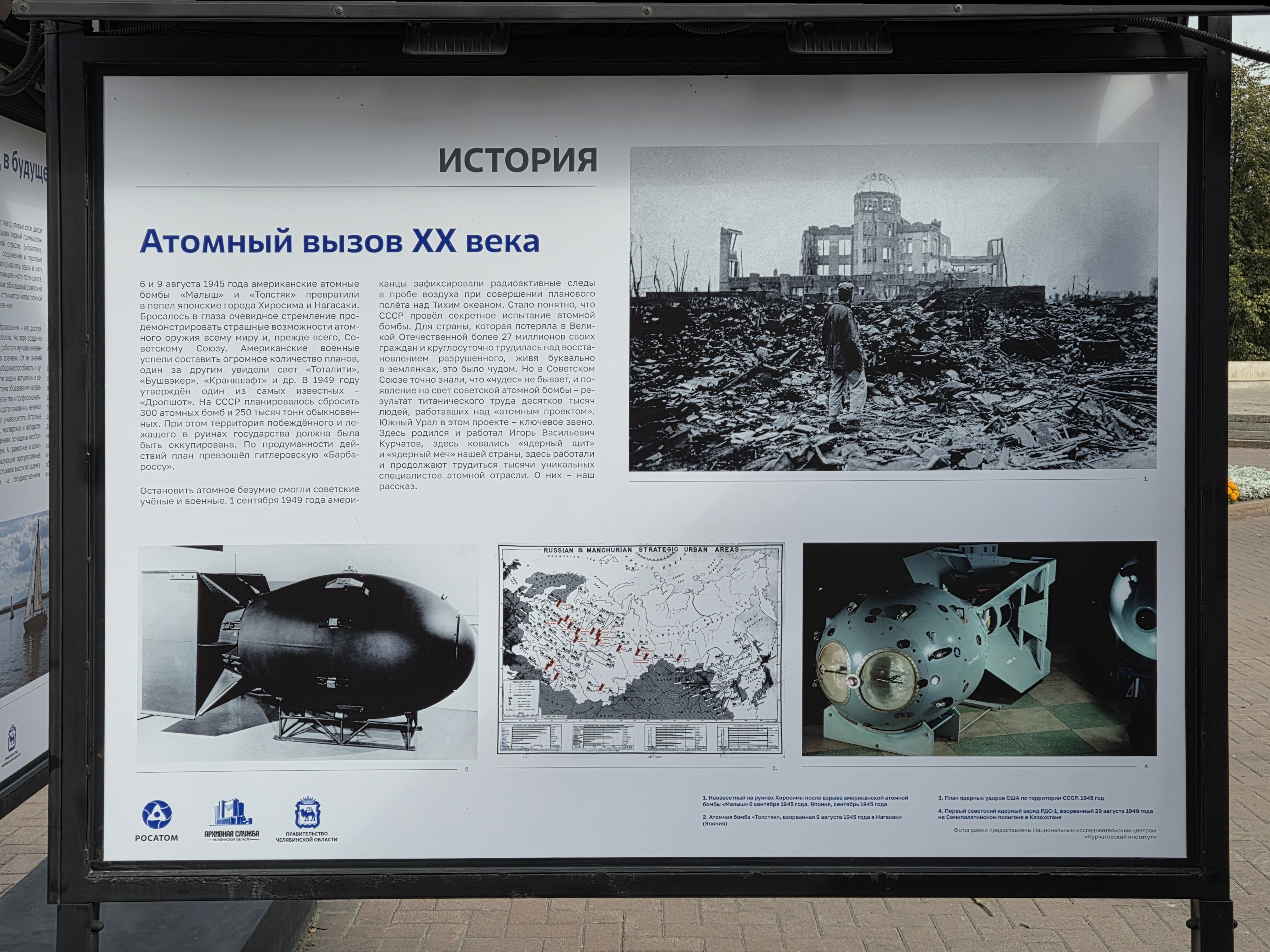
Hiroshima, top, Nagasaki bomb left, 1945 US nuclear attack plan for the USSR bottom center, USSR’s first atomic bomb, 1949, bottom right.
Many Eastern European nations face an odd predicament. They possess a surplus of history, but a deficit of useful narratives. That is, plenty of things have happened to them, but not enough has been done by them to establish a deeply rooted sense of shared destiny. In much of the region, national sovereignty has tended to be brief, partial, or intermittent. Empire, and the struggle against it, has tended to be the leading story, while opportunities to develop national mythologies independent of their influence have tended to be rather sparse.
—Jacob Mikanowski, Goodbye Eastern Europe, (Great Britain: Oneworld Publications Ltd, 2023), 309-310.
Sea of Japan
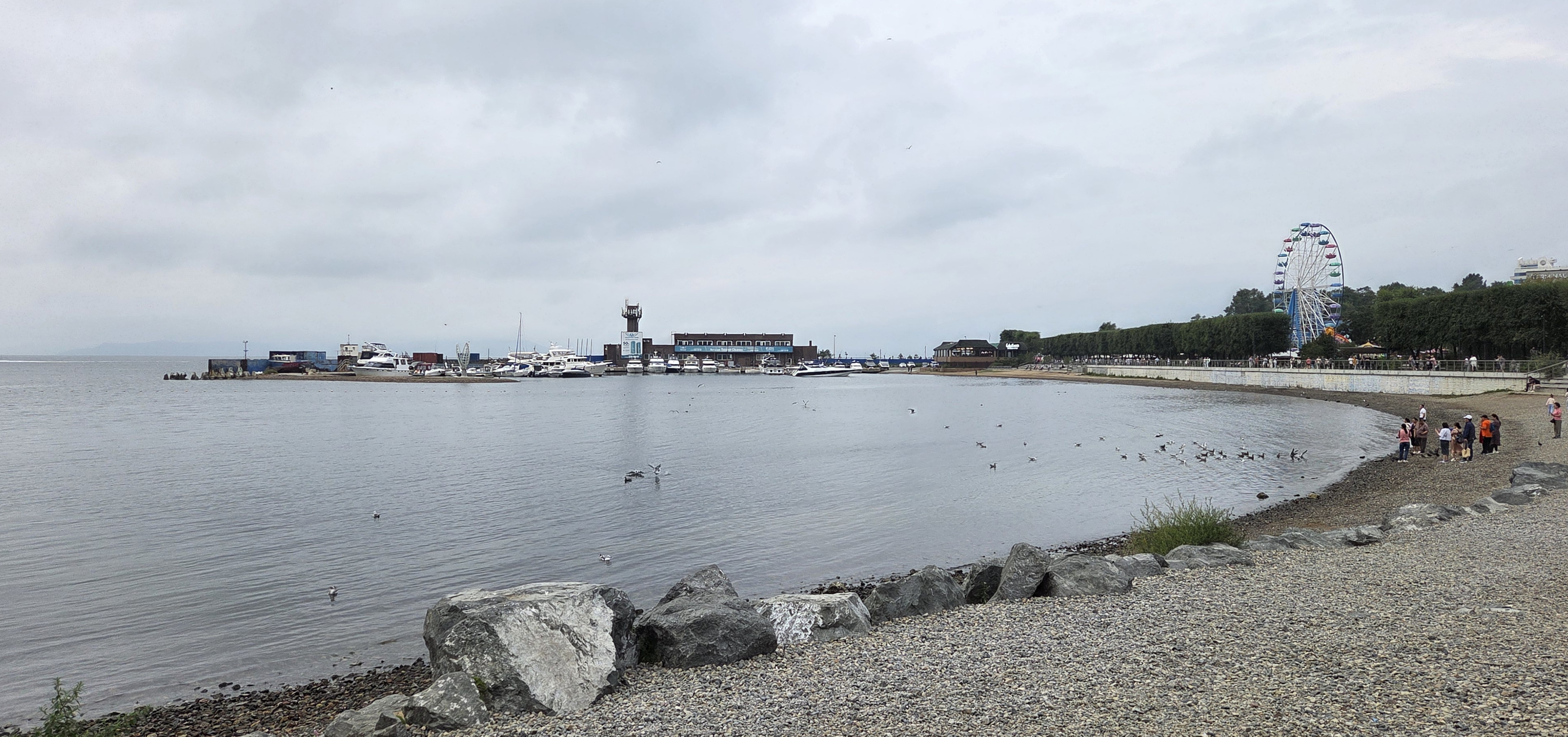
I guess one could argue this is technically not the Pacific, but it is close enough for my purposes. Very happy to be here.